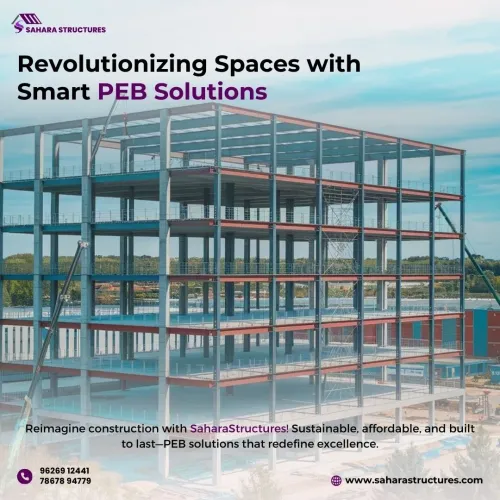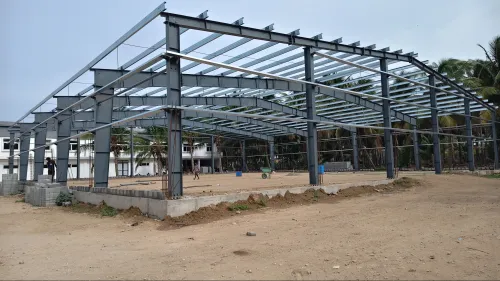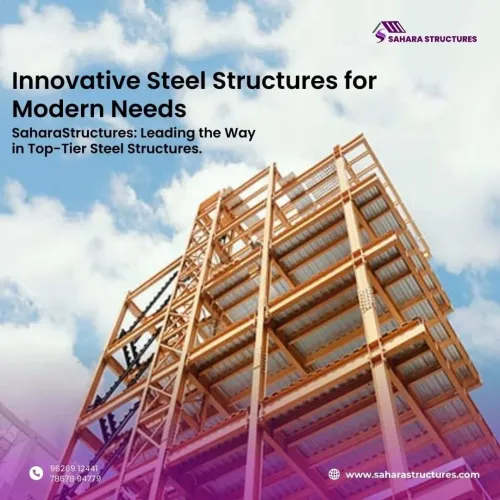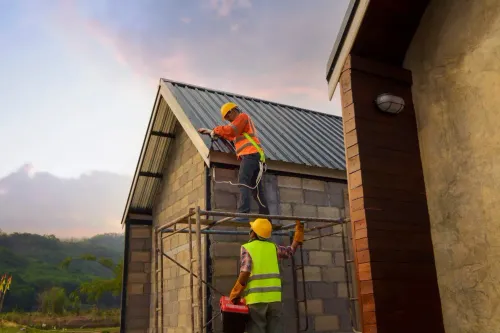

A Pre Engineering Steel Building project becomes easier to design, price, fabricate, and execute when the owner has clearly defined the basic facility requirements. Approaching a structural provider before every detail is known is normal, but certain information should be established before the project moves toward final engineering.
For factory owners, warehouse developers, and manufacturing companies in Coimbatore, these readiness indicators can help determine whether a project is prepared for the next stage.
The Plot and Building Footprint Are Defined
You should have a reasonable understanding of the available site and the approximate area required.
The project team needs to know how much of the plot is intended for the building and how much must remain available for roads, truck movement, parking, utilities, setbacks, drainage, and future development.
Trying to maximize covered area without planning external movement can create operational difficulties.
Building Use Is Clearly Identified
'Industrial shed' is not enough information for final design.
A building intended for machining, textile production, storage, assembly, heavy fabrication, food processing, or logistics can have very different requirements.
The structural provider needs to understand what activities will take place inside.
Dimensions Are Based on Operations
Width, length, and height should ideally reflect machinery, production flow, racks, cranes, or storage arrangements.
If the dimensions are selected arbitrarily and operations are fitted into them later, the facility may lose efficiency.
Major Loads Are Known
The engineering team should be informed about significant project loads.
These may include:
- Overhead cranes
- Mezzanine floors
- Heavy storage
- Suspended services
- Process equipment
- Architectural features
- Selected rooftop installations
Requirements should be documented instead of relying on informal assumptions.
Door and Access Requirements Are Planned
Large shutters and industrial doors influence both operations and structural detailing.
Their sizes and approximate locations should be identified early, particularly where trucks, machinery, or large products need access.
Personnel entrances and emergency exits should also be coordinated with the overall building plan.
Roofing Expectations Are Understood
Owners should decide what level of roofing performance the operation requires.
Questions may include whether insulation is needed, how natural lighting will be handled, what ventilation system is appropriate, and how rainwater will be collected and discharged.
These choices can influence both budget and building performance.
Civil Coordination Has Started
The steel structure depends on accurately located foundations and anchor bolts.
Once structural reactions become available, the civil engineering team can develop the appropriate foundation design based on relevant inputs including geotechnical conditions.
PEB and civil teams therefore need an established coordination process.
Decision-Makers Agree on the Scope
Projects often lose time because production, management, procurement, consultants, and contractors have different expectations.
Before final fabrication drawings are approved, key stakeholders should agree on the building layout and major requirements.
Late revisions can affect drawings, materials, manufacturing, and schedules.
You Have a Realistic Project Programme
PEB construction can offer an organized fabrication-and-erection process, but it is not independent of the rest of the project.
Design approvals, civil works, fabrication, transportation, site readiness, equipment access, and erection all need coordination.
For industrial projects in Coimbatore and across Tamil Nadu, SAHARA STRUCTURES can work from project requirements toward engineered steel-building solutions.
A project is ready for PEB execution when its operational needs are sufficiently clear to support engineering decisions. The more accurately those needs are defined before fabrication, the lower the likelihood of disruptive changes once manufacturing and site work are underway.
Keywords